Cavaglià: Tra Storia Millenaria, Crocevia Strategici e Serate Indimenticabili
Cavaglià: Ancient History, Strategic Crossroads, and Unforgettable Nights

A soli 50 km da Torino e 25 da Biella, adagiata tra l’Anfiteatro Morenico di Ivrea e la pianura padana, sorge Cavaglià. Non un semplice paese di passaggio, ma un luogo dove oltre tremila anni di storia si intrecciano con una vitalità giovanile unica.
Located just 50 km from Turin and 25 km from Biella, nestled between the Serra Moraine of Ivrea and the Po Valley, lies Cavaglià. Far more than just a transit town, it’s a place where over three millennia of history meet a unique, vibrant youth tradition.
1. Radici Antiche e Anima “Ruggente”
1. Ancient Roots & Spirited Soul
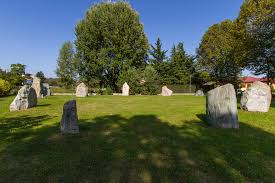
- I Menhir di Cavaglià: Ben prima dei Romani, la zona era abitata dalle popolazioni celto-victimule. Lo testimonia un affascinante cromlech (cerchio di megaliti) risalente al IX secolo a.C., oggi ricomposto ed esposto al pubblico.
- The Standing Stones of Cavaglià: Long before the Romans, the area was inhabited by Celtic-Victimuli tribes. This is evidenced by a fascinating cromlech (stone circle) dating back to the 9th century BC, now reassembled for public display.
- L’Origine del Nome: Deriva con tutta probabilità da Cabaliaca (dal latino caballus, cavallo). Fin dall’antichità, Cavaglià è stata una stazione di posta, cambio cavalli e snodo tattico tra Biellese, Canavese e Pianura Padana. Il suo stemma raffigura un cavallo rampante con il fiero motto “Non metu sed vi” (Non con la paura, ma con la forza).
- Origin of the Name: Most likely derived from Cabaliaca (from Latin caballus, horse). Since antiquity, Cavaglià served as a staging post and tactical hub connecting the Biella, Canavese, and Po Valley regions. Its coat of arms features a prancing horse with the proud motto “Non metu sed vi” (“Not by fear, but by force”).
-
Cammini e Tramway: Tappa fondamentale lungo la storica Via Francigena (percorsa già nel Medioevo dall’Arcivescovo Sigerico), tra il XIX e XX secolo è stata anche un hub dinamico grazie alla celebre tranvia a vapore Ivrea–Santhià.

-
Pilgrim Routes & Trams: A key stop on the historic Via Francigena (traveled back in the Middle Ages by Archbishop Sigeric), it was also a dynamic transport hub in the 19th and 20th centuries thanks to the steam tramway connecting Ivrea and Santhià.

2. Arte e Architettura da Scoprire
2. Art & Architecture to Explore
- Il Castello Rondolino: Imponente dimora settecentesca situata all’ingresso del paese, poi sapientemente ristrutturata in stile neomedievale a fine ‘800.
- Rondolino Castle: An imposing 18th-century estate located at the town’s entrance, beautifully renovated in Neo-Medieval style in the late 19th century.
- La Chiesa Parrocchiale di San Michele Arcangelo: Un capolavoro barocco firmato da Filippo Castelli, che racchiude arredi in legno rococo e un prezioso organo Serassi.
- Church of St. Michael the Archangel: A Baroque masterpiece designed by Filippo Castelli, housing Rococo wooden furnishings and a valuable Serassi organ.
-
Nostra Signora di Babilone: Un santuario rinascimentale a pianta ellittica nato su un sito medievale, famoso per il gruppo scultoreo in legno del XIII secolo dedicato all’Adorazione dei Magi.
-
Our Lady of Babilone: A Renaissance sanctuary built on an elliptical plan over a medieval site, famous for a 13th-century wooden sculpture depicting the Adoration of the Magi.

3. La “Festa dei Giovani”: Più di 500 Anni e non Sentirli
3. The “Festa dei Giovani”: 500+ Years Young
Nata ufficialmente nel 1518 grazie a uno statuto firmato dal Duca Carlo III di Savoia, la Festa dei Giovani di Cavaglià è una delle tradizioni popolari più antiche di tutto il Piemonte.
Officially established in 1518 under a statute granted by Duke Charles III of Savoy, the Cavaglià Youth Festival is one of the oldest popular traditions in Piedmont.
- Un’Organizzazione Leggendaria: La festa è gestita interamente dal Comitato dei Giovani (tutti under 30 del paese), guidati dalla storica figura del Priore (un tempo chiamato Abate), affiancato dal Sottopriore e dal Primo Assistente.
- A Legendary Committee: The event is entirely run by the Youth Committee (local residents under 30), led by the historic Priore (formerly Abate), alongside the Sottopriore and Primo Assistente.
- 10 Giorni di Fuoco ad Agosto: Tra panissa tradizionale, concerti live, DJ set, giostre e serate a tema, Cavaglià si trasforma nella capitale del divertimento estivo.
- 10 Days of Energy in August: Featuring traditional panissa, live concerts, DJ sets, a funfair, and themed nights, Cavaglià becomes the local capital of summer entertainment.
- Con il Cuore al Territorio: Oltre a far ballare generazioni di ragazzi, la festa mantiene da sempre il suo spirito solidale: l’intero ricavato viene reinvestito in opere pubbliche, progetti per la comunità e beneficenza.
- Community-Driven Impact: Beyond uniting generations, the festival maintains a strong social mission, reinvesting all proceeds back into community projects and local initiatives.